CircuitLens Journal
Short electronics articles, one a day, with worked examples and bench tips.
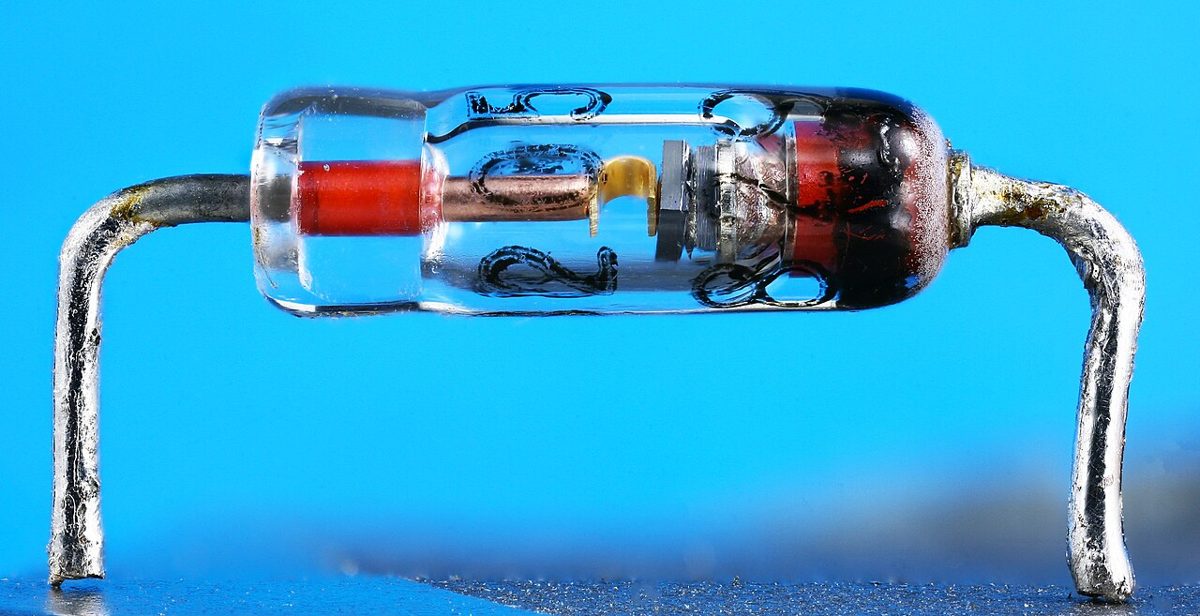 2 November 2026Zener Diodes as a Voltage Reference: What They Do Well and Where They Fall ShortA Zener diode and a resistor make a quick reference rail on the bench. Here is how to size it with real numbers, and where its drift and loading limits will bite.
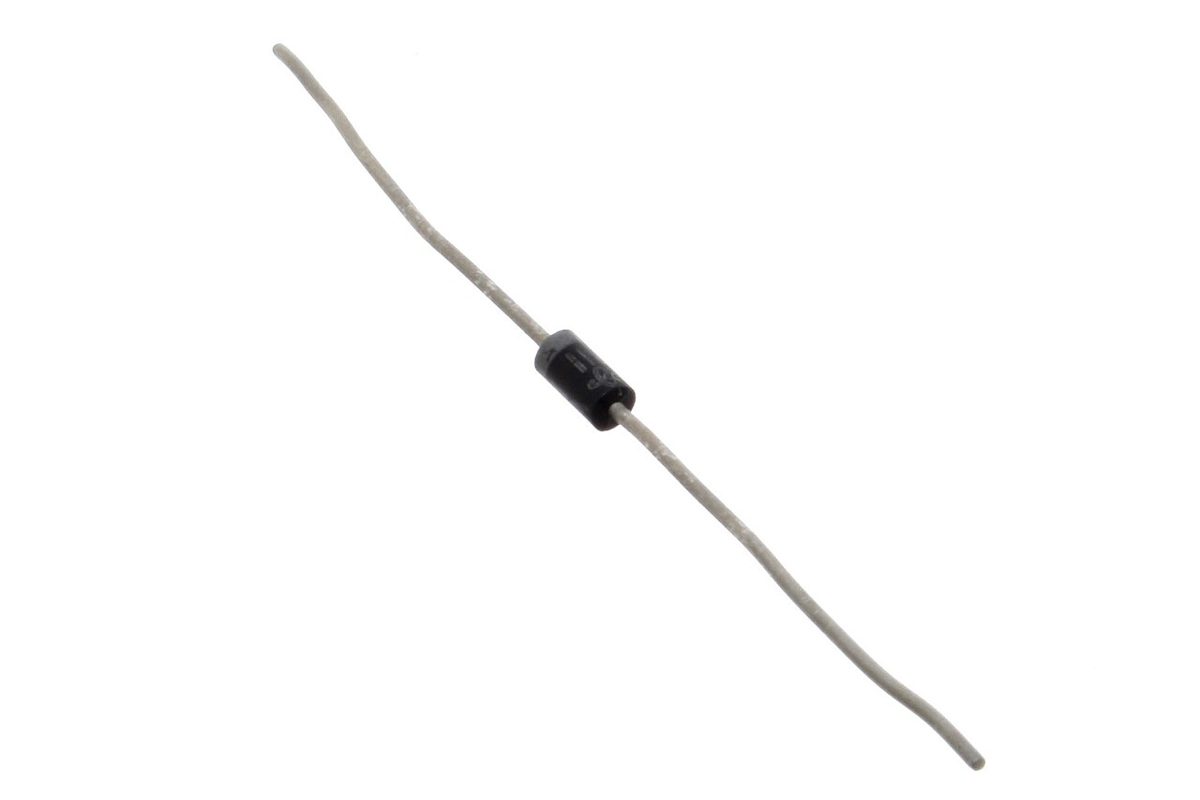 1 November 2026What a Flyback Diode Protects, and Why It Sits Across the CoilA flyback diode across a relay or solenoid coil stops the large voltage spike that appears when the current is switched off. Here is how it works and how to size and place one.
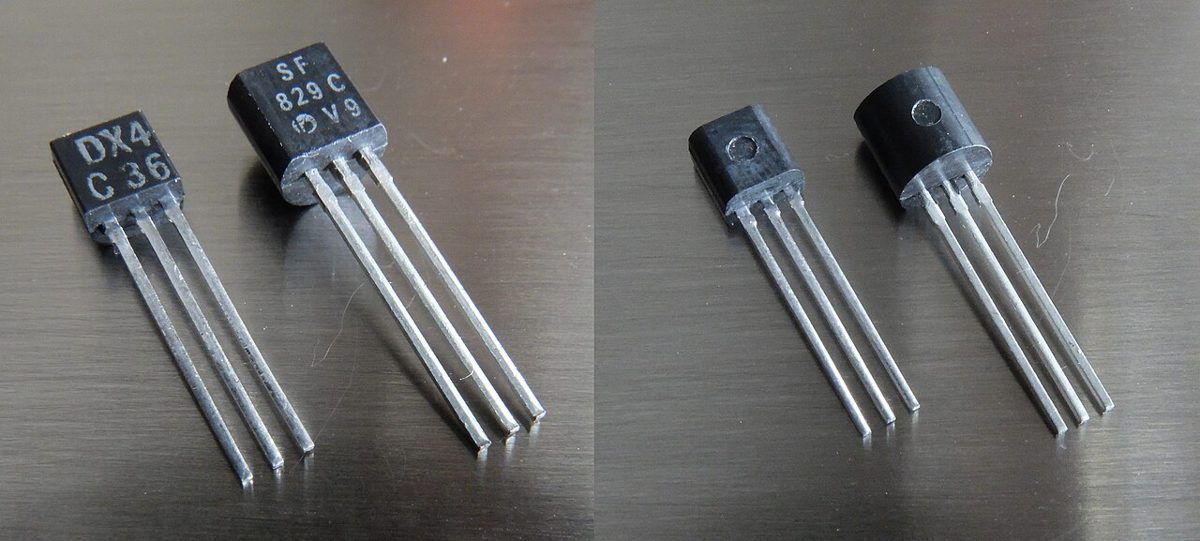 31 October 2026BJT vs MOSFET as a Switch: Choosing the Right One at the BenchA bench-focused comparison of how bipolar transistors and MOSFETs behave as switches, with a worked example driving a 100 mA load from a 3.3 V microcontroller pin.
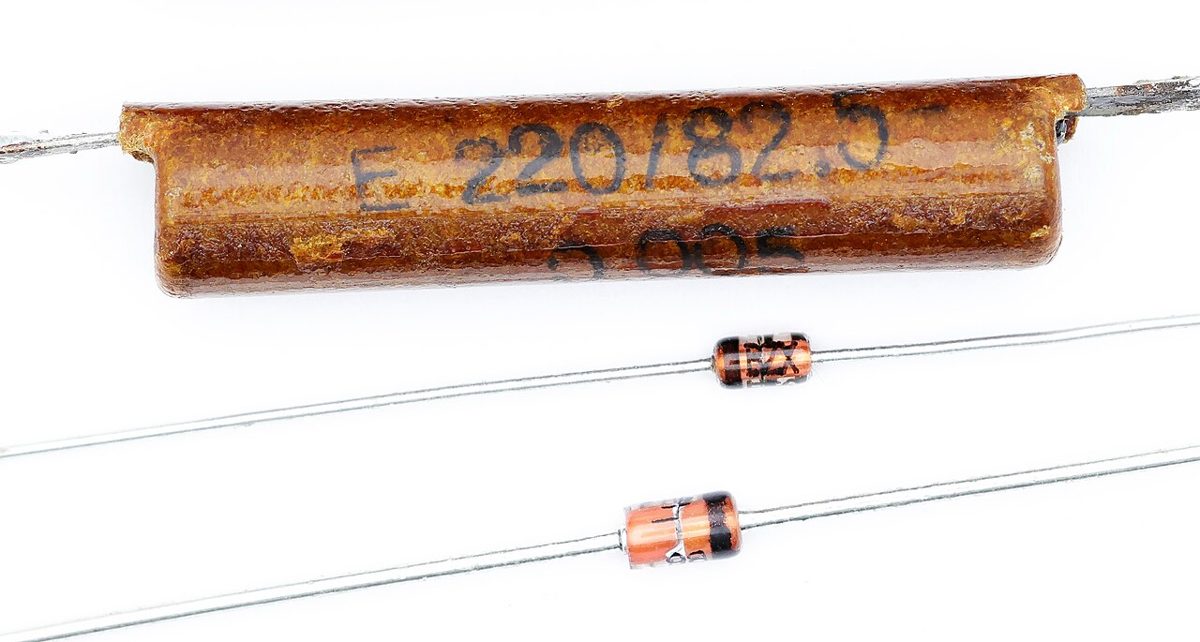 22 October 2026Why a Diode's Forward Voltage Isn't One Fixed NumberThe 0.7 V rule of thumb hides a real spread. Current, temperature, and diode type all shift the forward drop, and a worked example shows how much it matters on the bench.
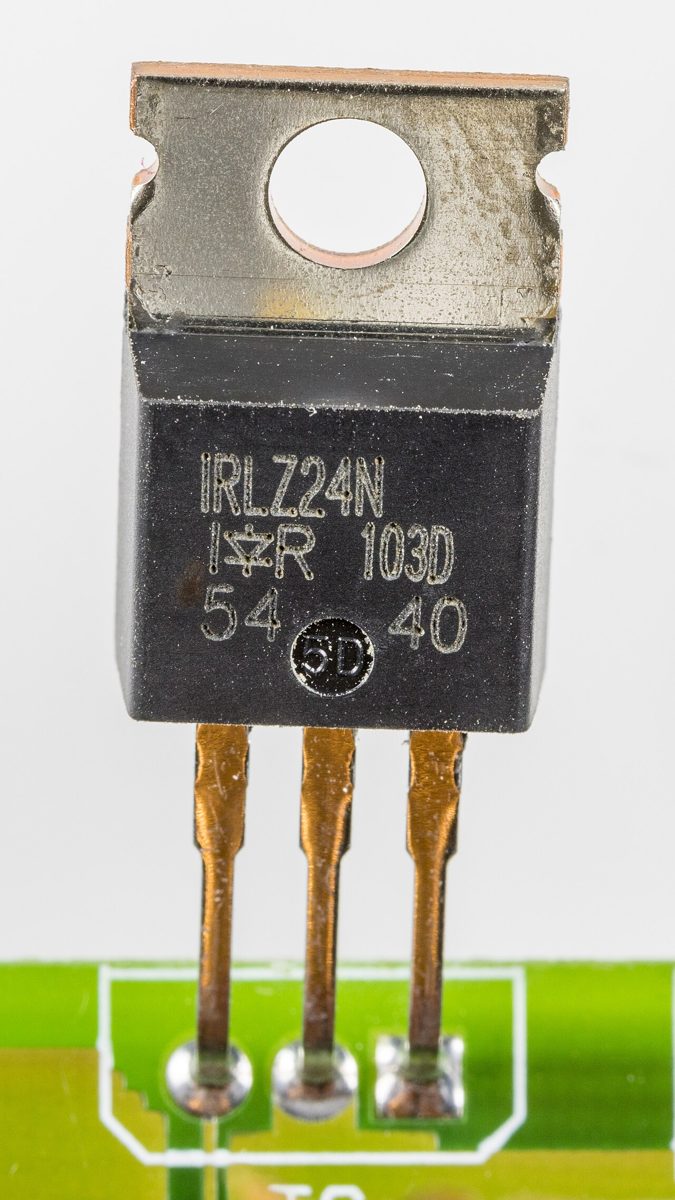 21 October 2026Reading a MOSFET Datasheet: Vgs(th) vs the Gate Voltage You Actually ApplyVgs(th) is where a MOSFET just begins to conduct, not where it switches fully on. Here is how to compare it with the gate voltage on your bench and avoid a part that runs hot.
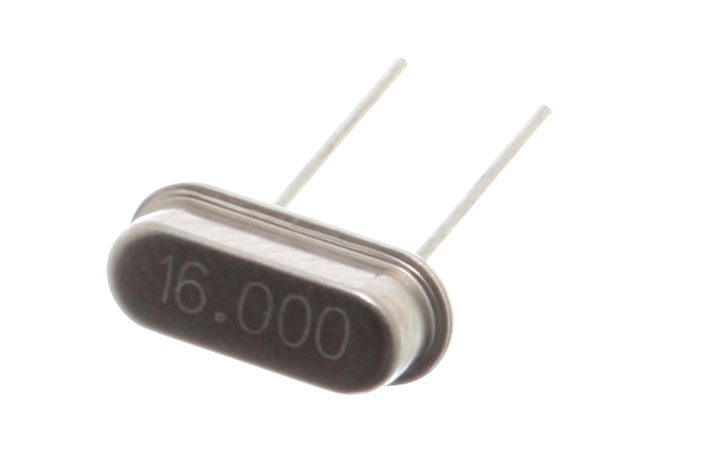 20 October 2026Why a Crystal Oscillator Needs Load Capacitors to Hit Its FrequencyA crystal's rated frequency assumes a specific load capacitance. Here is how the two capacitors around it set that load, with a worked example and bench checks.
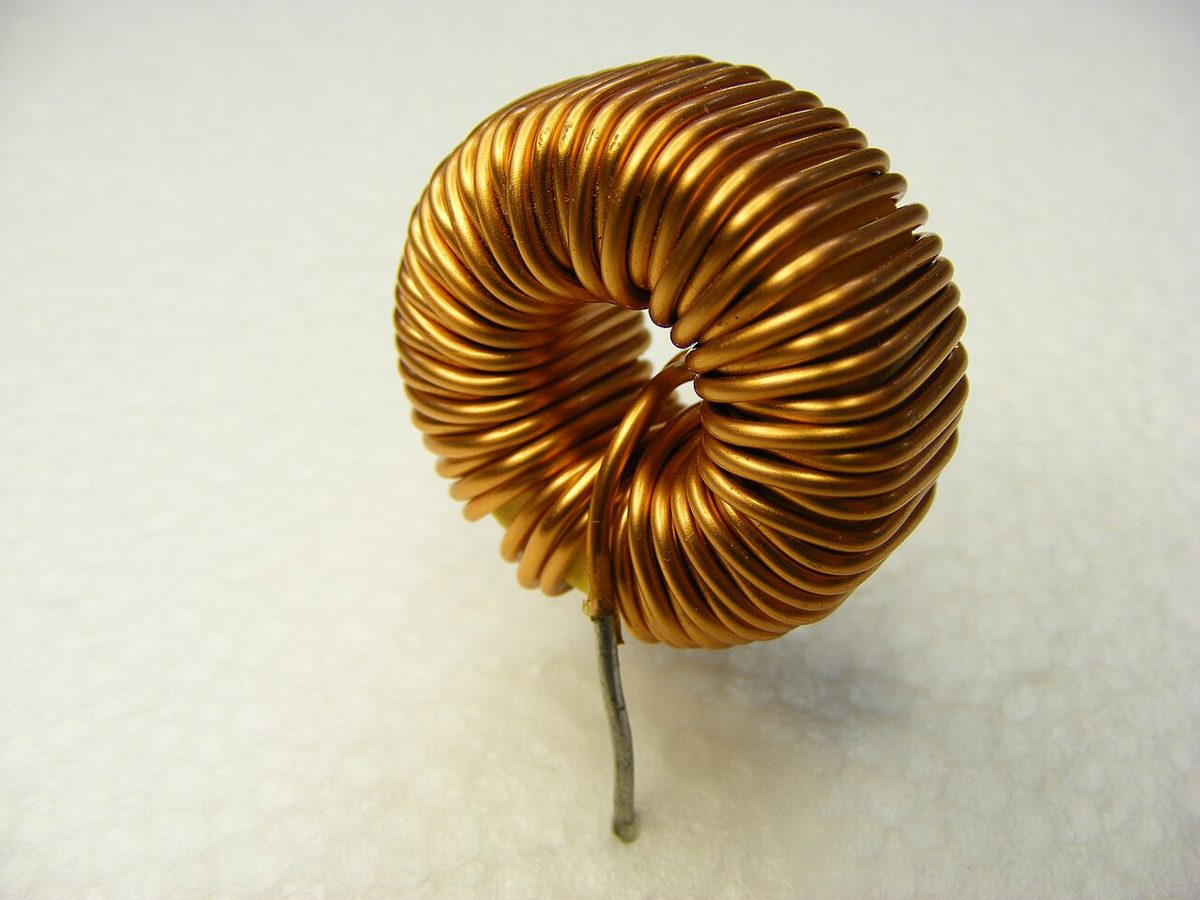 19 October 2026Inductors Resist Changes in Current, Not Current ItselfAn inductor does not oppose current; it opposes how fast current changes. That one idea explains coil kick, slow turn-on in circuits, and why a switch can get zapped.
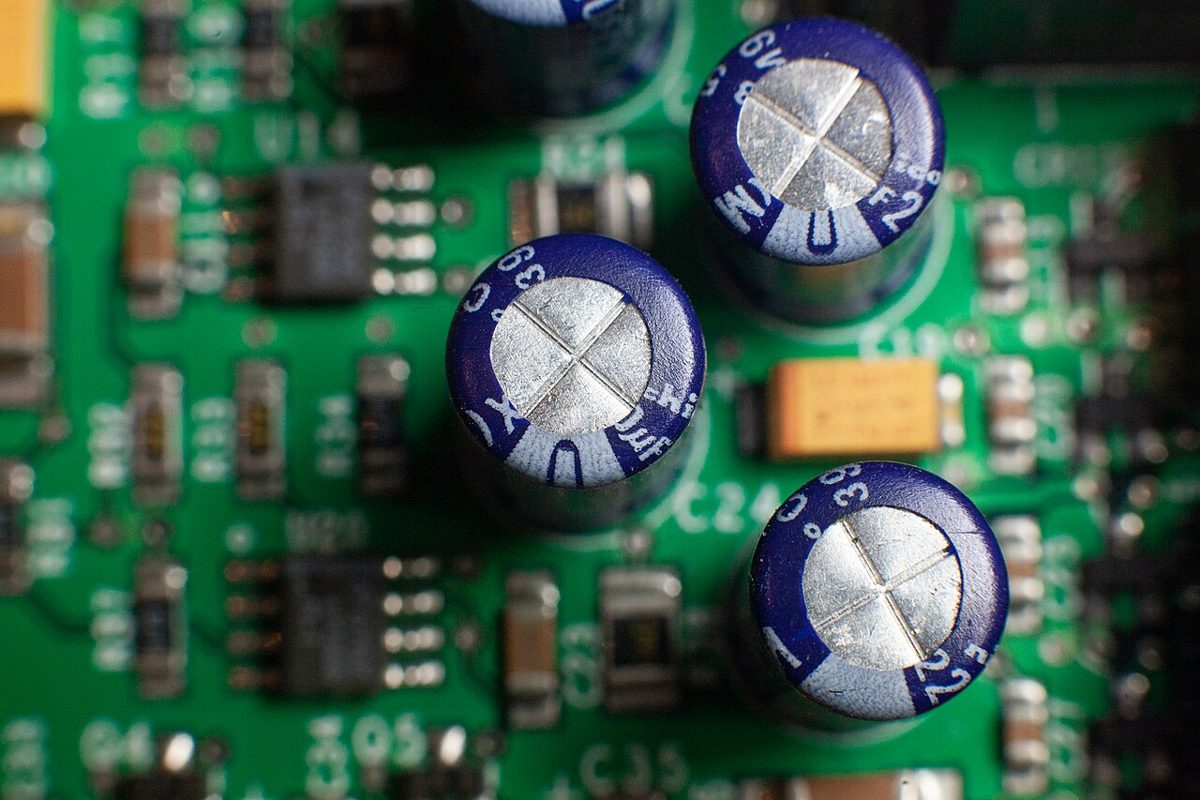 17 October 2026What ESR Means for a Capacitor and Why It Matters in Switching SuppliesEquivalent series resistance decides how much a capacitor really smooths a switching supply's output. A worked example shows why a cap that looks fine on paper can still ripple badly.
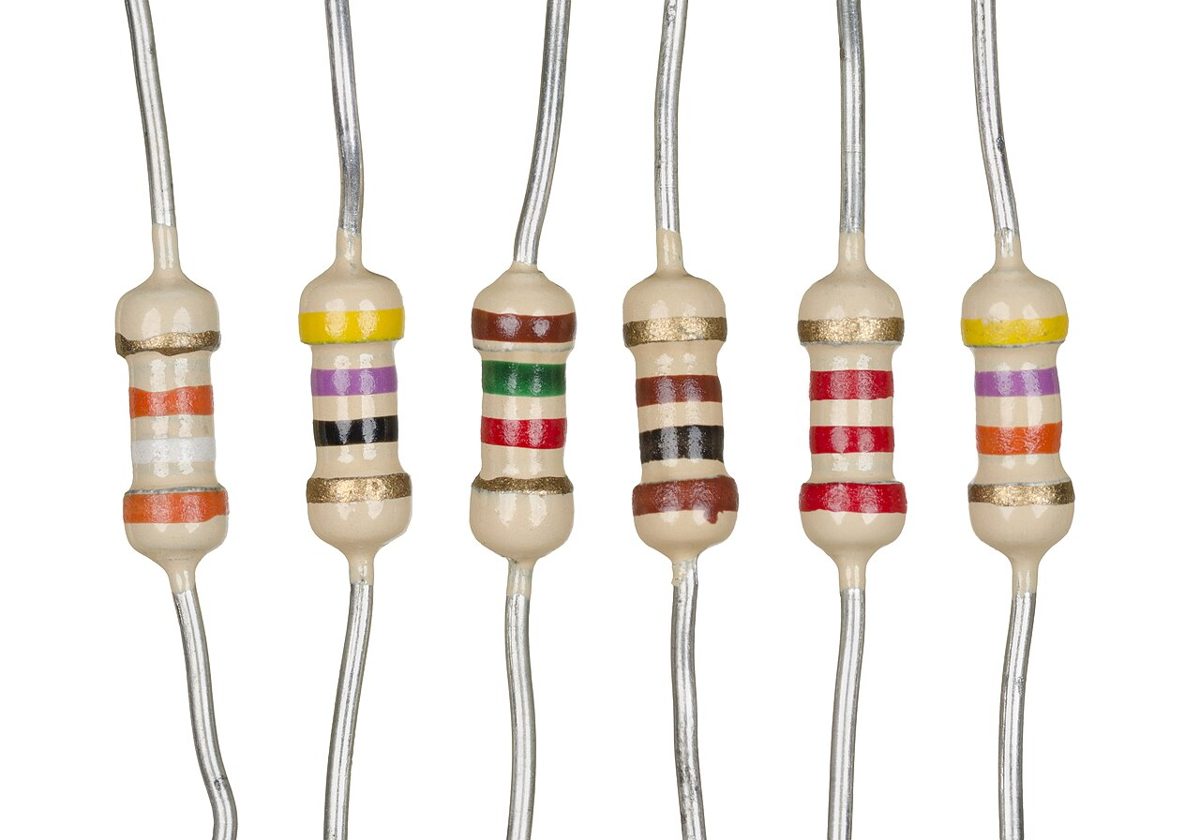 16 October 2026Reading a Resistor's Colour Code Without a Chart: The Logic Behind the BandsOnce you know the pattern, a resistor's colour bands can be decoded in seconds. Here is the reasoning behind the code, a worked example, and bench habits that prevent misreads.
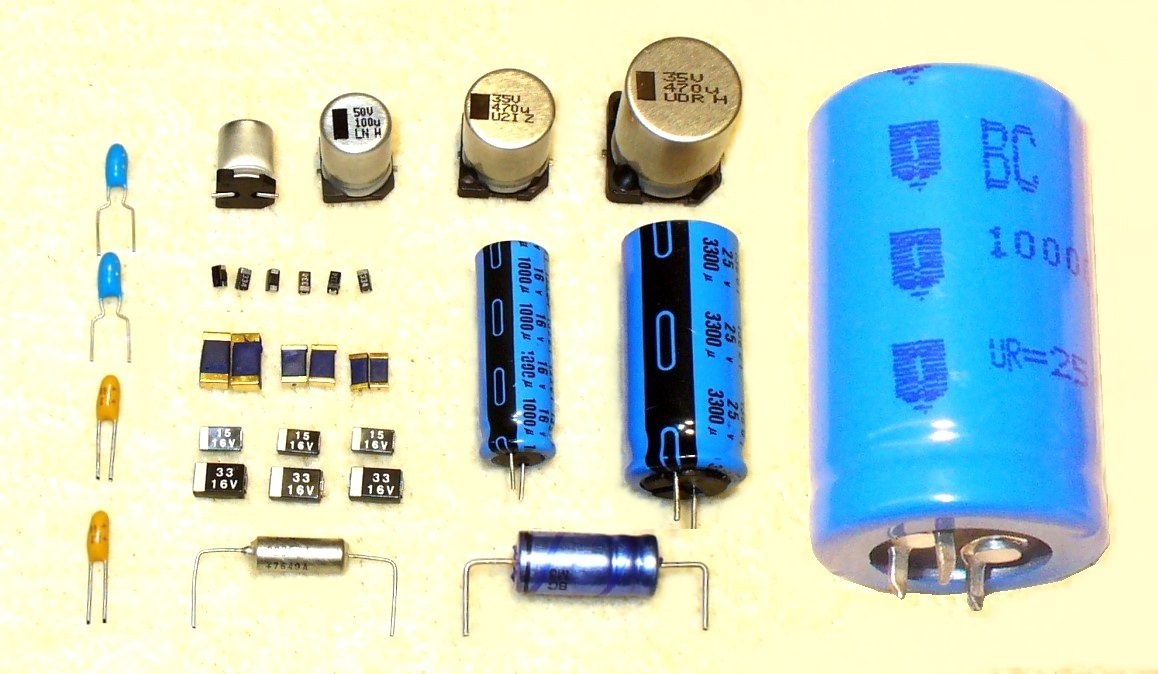 16 October 2026Electrolytic vs Ceramic vs Film Capacitors: Picking the Right DielectricElectrolytic, ceramic, and film capacitors look interchangeable on a breadboard until they aren't. Here is how their dielectrics change capacitance, polarity, loss, and stability.
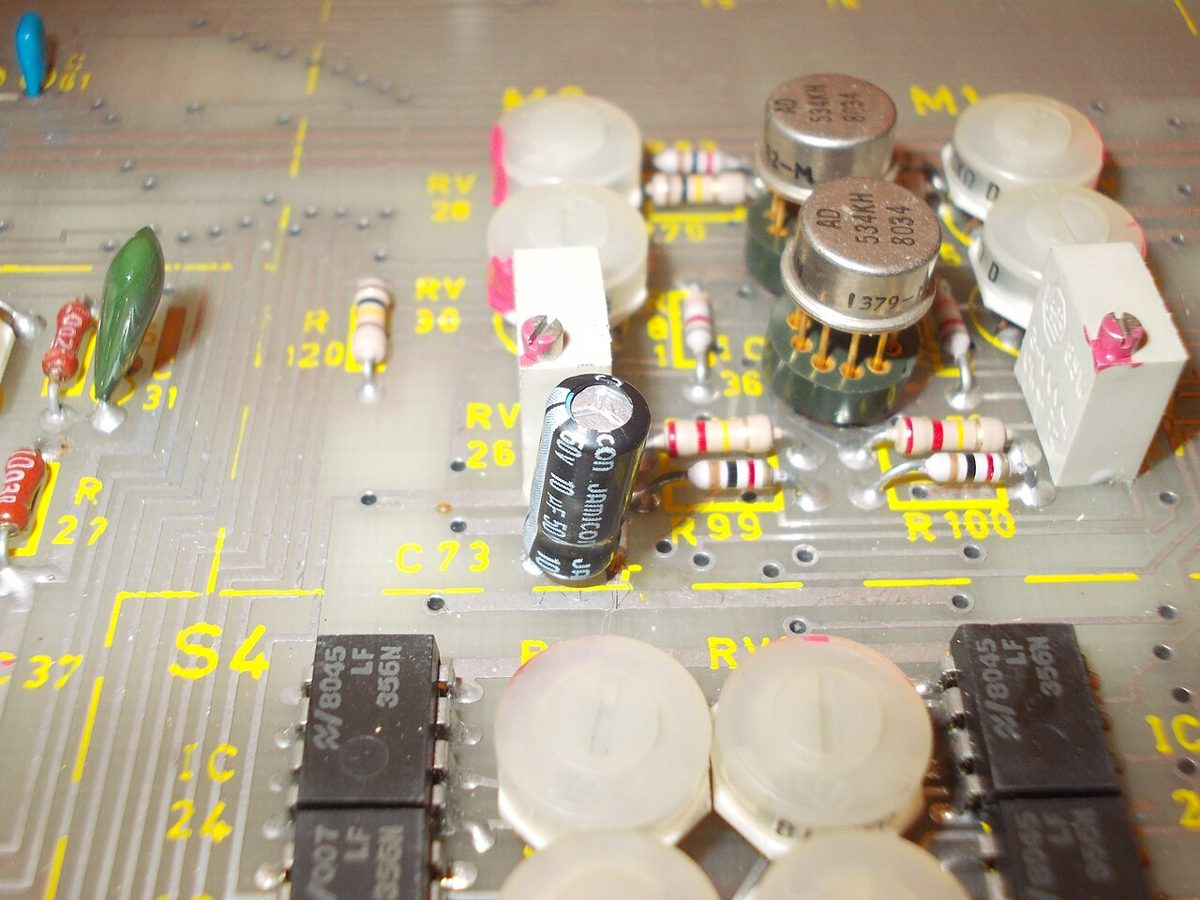 27 September 2026Why Decoupling Capacitors Sit Close to the IC, Not Just 'Somewhere on the Rail'Placement matters as much as value: a decoupling cap a centimeter too far away can fail to do its job because of the wire it's connected through.
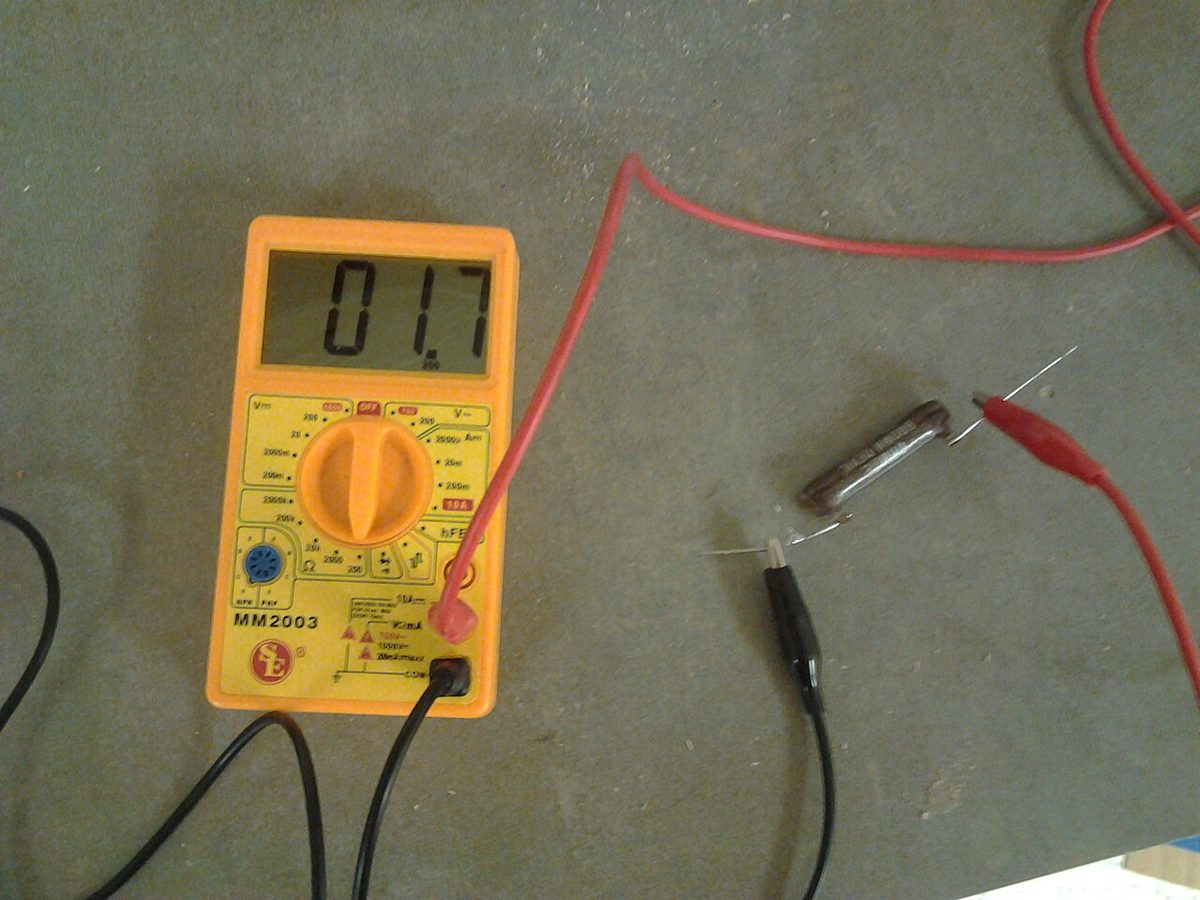 26 September 2026How a Multimeter Actually Measures Resistance (and Where It Can Mislead You)Your meter doesn't sense resistance directly—it injects a tiny current and measures a voltage. Knowing this explains most of the odd readings you get in-circuit.
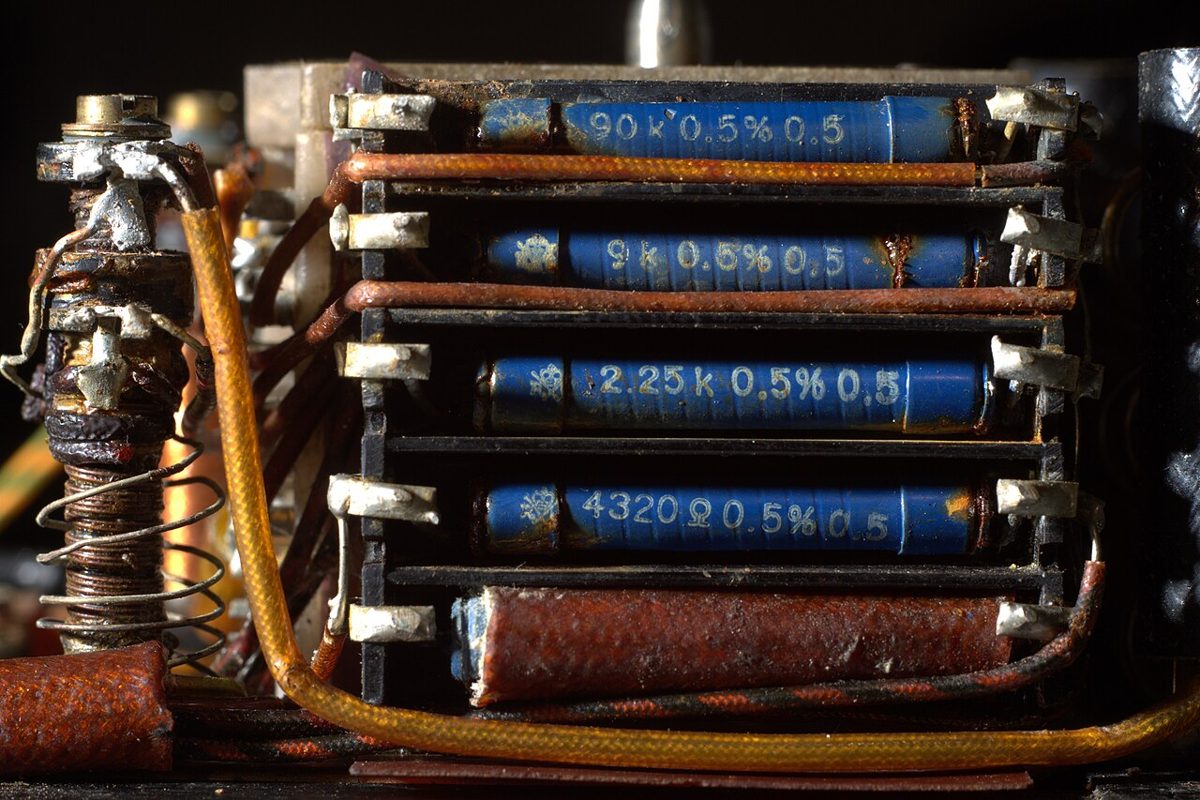 25 September 2026Ohm's Law in Practice: Reading a Resistor Under Real-World TolerancesOhm's Law gives you a clean prediction, but real resistors and meters wander from the ideal. Here's how to account for tolerance without second-guessing your bench work.